


SERGEI SIKORSKY
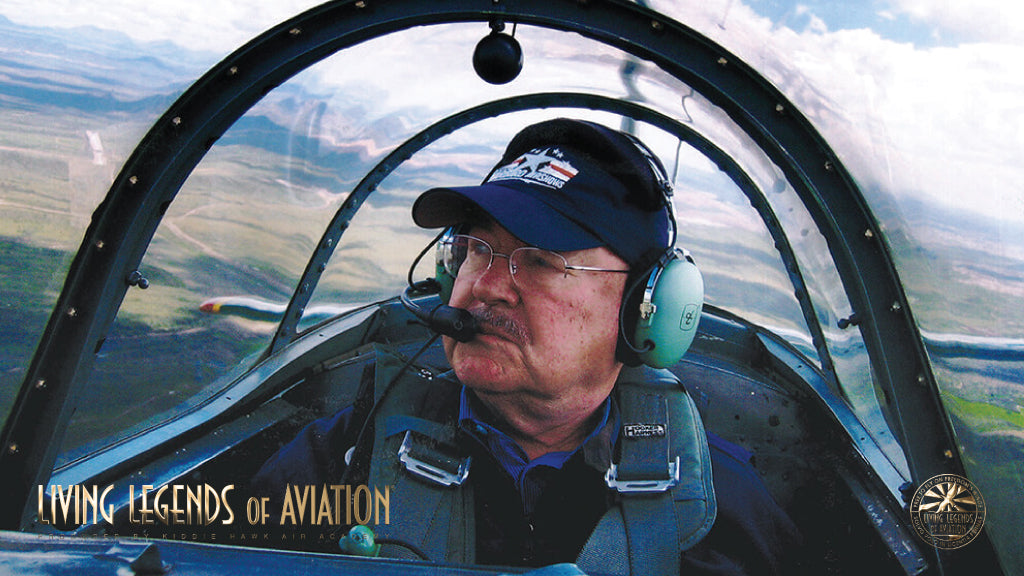
Sergei Sikorsky was born in Kiev, Ukraine and became widely recognized as a key figure in the early development, testing, and promotion of helicopters in the United States. As the eldest son of aviation pioneer Igor Sikorsky, he grew up in an atmosphere steeped in aeronautical innovation. The Sikorsky family emigrated to the United States in the early 1920s to escape the turmoil of post-revolutionary Russia.
During World War II, Sikorsky enlisted in the U.S. Coast Guard. At a time when rotary-wing flight was largely experimental, the Coast Guard became an early user of helicopters for sea rescue and antisubmarine patrols. Sikorsky worked as an aircraft mechanic and later trained as a helicopter pilot, flying such early models as the Sikorsky R-4 and R-6.
After the war, Sikorsky joined Sikorsky Aircraft—his father’s company—and embarked on an influential career. In roles ranging from test pilot to program manager and eventually vice president of the company’s helicopter division, he became involved in the development of some of the world’s most important rotary-wing aircraft, such as the H-19 Chickasaw, H-34 Choctaw, and the iconic H-3 Sea King, aircraft that served military, governmental, and civilian operators around the globe.
Beyond engineering and program oversight, Sikorsky became one of the industry’s most articulate advocates. He dedicated considerable effort to promoting helicopter safety, standardizing operational procedures, and demonstrating the practical value of vertical-lift technology. His work helped build broader acceptance of helicopters at a time when many still viewed them as unproven.
After retiring from Sikorsky Aircraft, Sikorsky served as a consultant, historian, and ambassador for the rotorcraft community. He was a popular speaker and preserved the legacy of his father’s achievements while adding his own perspective as a pioneer in the maturing helicopter age. He was an enduring figure in the history of vertical flight.